
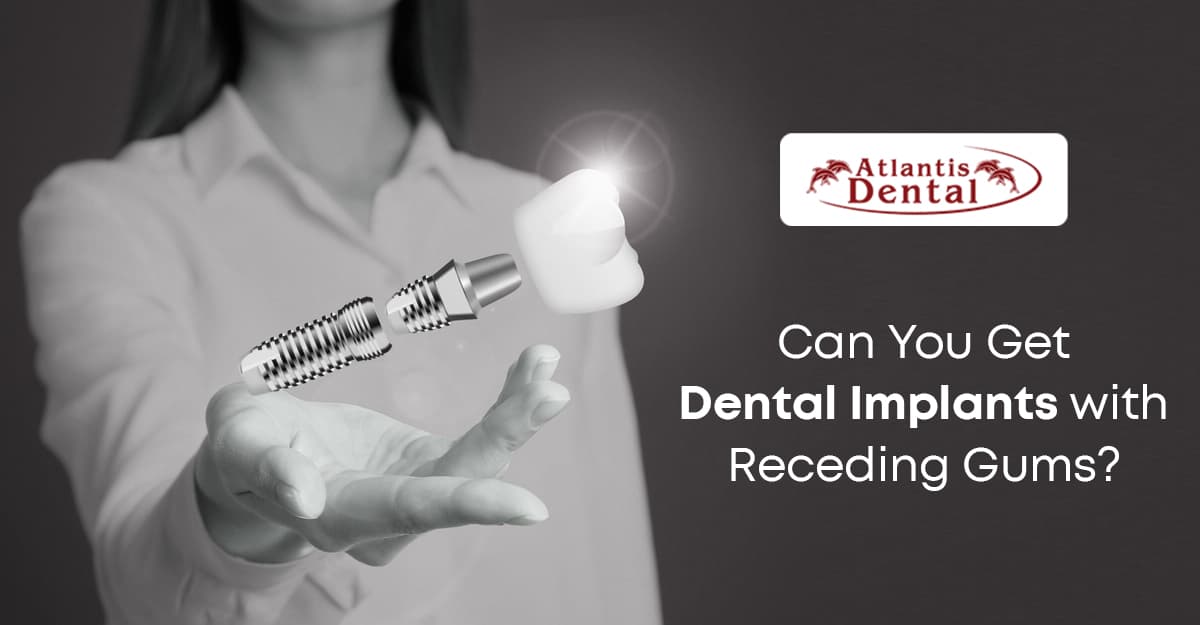
Can You Have Dental Implants with Receding Gums?
If you're considering dental implants in Dallas but have concerns about receding gums, you're not alone. Many patients share the same worry when thinking about restoring their smile. At Atlantis Dental, we understand how important it is to make informed decisions about your oral health.
This blog will provide clarity on whether you can get dental implants with receding gums and how our team at Atlantis Dental can help you achieve a healthy, beautiful smile.
What Are Dental Implants?
Dental implants are a popular solution for replacing missing or damaged teeth. The implant is a small titanium post that acts as a replacement root, which is surgically placed into your jawbone. Once the bone heals, a crown is placed on top, providing a permanent solution for missing teeth.
Components of a Dental Implant:
- Titanium Post: Surgically placed into the jawbone
- Abutment: Connects the post to the crown
- Crown: The visible tooth replacement that looks and functions like a natural tooth
Dental implants offer numerous benefits, including:
✅ Natural appearance and function ✅ Long-lasting solution (can last 20+ years) ✅ Prevents bone loss ✅ No impact on adjacent teeth ✅ Improved speech and chewing ability
What Are Receding Gums?
Receding gums occur when the tissue surrounding your teeth begins to pull back, exposing more of the tooth or even the tooth root. This can lead to sensitivity, discomfort, and, if left untreated, even tooth loss. While receding gums are common, they can complicate certain dental procedures, including dental implants.
Common Causes of Receding Gums:
- Periodontal disease: Gum infections that destroy gum tissue
- Aggressive brushing: Using too much force when brushing
- Poor oral hygiene: Allowing plaque and tartar buildup
- Genetics: Some people are more susceptible
- Hormonal changes: Especially in women
- Tobacco use: Smoking or chewing tobacco
- Grinding or clenching teeth: Excessive force on teeth
- Misaligned teeth or bite: Uneven pressure on gums
Signs of Receding Gums:
- Teeth appear longer than normal
- Exposed tooth roots
- Increased tooth sensitivity
- Gaps between teeth and gums
- Loose teeth
Can You Get Dental Implants with Receding Gums?
Yes, you can get dental implants even if you have receding gums, but there are some important factors to consider. The dentist will need to assess the extent of gum recession and ensure there is enough healthy bone structure to support the implant.
Here's How the Process Typically Works:
1. Assessing Gum Health
The dentist will begin by evaluating the condition of your gums. If your gums are significantly receded, there may not be enough tissue to support the implant. In these cases, a gum graft or other procedures might be needed to restore the gum line.
During the assessment, your dentist will:
- Measure the depth of gum pockets
- Check for signs of gum disease
- Evaluate the extent of gum recession
- Take X-rays to assess bone structure
- Review your medical and dental history
2. Bone Density Check
Dental implants rely on the bone to hold the implant in place. If gum recession has caused bone loss, your dentist might recommend a bone graft before placing the implant. This helps to rebuild the bone structure and ensures the implant will be stable.
Bone assessment includes:
- 3D imaging to evaluate bone density
- Measurement of bone height and width
- Assessment of bone quality
- Determining if bone grafting is necessary
3. Customized Treatment Plan
At Atlantis Dental, we take a personalized approach. Our team will create a treatment plan tailored to your unique situation, ensuring that your dental implants have the best chance for success, even if you have receding gums.
Your customized plan may include:
- Timeline for treatment phases
- Pre-implant procedures (gum or bone grafting)
- Implant placement strategy
- Healing periods between procedures
- Post-operative care instructions
- Long-term maintenance plan
Treatment Options for Receding Gums Before Implants
If your receding gums are too severe, treatment options are available to restore gum health and bone density:
Gum Grafting
This procedure involves taking tissue from another part of your mouth (usually the roof of your mouth) or using a donor tissue to cover the exposed tooth roots. This not only helps improve the appearance of your gums but also creates a healthy foundation for dental implants.
Types of gum grafts:
- Connective tissue graft: Most common type, uses tissue from under the palate
- Free gingival graft: Takes tissue directly from the palate
- Pedicle graft: Uses gum tissue from near the affected area
Benefits:
- Covers exposed roots
- Reduces sensitivity
- Improves aesthetics
- Creates a stable foundation for implants
- Prevents further recession
Bone Grafting
If bone loss is an issue, a bone graft can rebuild the bone in areas where it has been lost. This is crucial for ensuring that the dental implant will have enough support.
Bone grafting materials:
- Autograft: Your own bone from another area
- Allograft: Donated human bone
- Xenograft: Animal-derived bone (usually bovine)
- Synthetic materials: Lab-created bone substitutes
The bone grafting process:
- Graft material is placed in the deficient area
- Healing period of 3-6 months allows bone to regenerate
- X-rays confirm adequate bone formation
- Dental implant can then be placed
Scaling and Root Planing
For mild gum recession, non-surgical treatments like scaling and root planing may help reduce gum inflammation and improve overall gum health. This can sometimes create a stable foundation for dental implants.
What it involves:
- Deep cleaning below the gum line
- Removal of plaque and tartar buildup
- Smoothing of tooth roots
- Allows gums to reattach to teeth
- Typically done in one or two appointments
Additional Treatments
- Laser therapy: Minimally invasive treatment for gum disease
- Antimicrobial treatments: To control bacterial infection
- Improved oral hygiene regimen: Custom instructions for home care
Why You Should Choose Atlantis Dental for Dental Implants in Dallas
Choosing the right dental practice is crucial when considering dental implants, especially if you have receding gums. Atlantis Dental is committed to providing high-quality care and ensuring the success of your implant procedure.
Here's Why We Are the Best Choice for Dental Implants in Dallas:
Expert Care
Our experienced dental team specializes in dental implants and has successfully treated numerous patients with receding gums. We use the latest technology and techniques to ensure optimal results.
Our expertise includes:
- Advanced training in implant dentistry
- Years of experience with complex cases
- Continuing education in latest techniques
- State-of-the-art technology
- High success rates
Personalized Treatment
We understand that every patient is unique. That's why we take the time to create a treatment plan that addresses your specific needs and concerns, ensuring the best possible outcome.
What makes our approach personalized:
- Thorough initial consultation
- Detailed treatment planning
- Multiple treatment options presented
- Patient involvement in decision-making
- Flexible scheduling
- Compassionate care
Comprehensive Services
From initial consultation to post-operative care, Atlantis Dental offers a full range of services, making us your one-stop solution for dental implants.
Our comprehensive services include:
- Digital imaging and 3D scanning
- Gum grafting procedures
- Bone grafting procedures
- Implant placement
- Custom crown fabrication
- Sedation options for comfort
- Follow-up care and maintenance
Additional Benefits:
- Convenient Dallas location
- Flexible financing options
- Insurance acceptance
- Same-day emergency appointments
- Patient education and support
What to Expect After Getting Dental Implants
After your dental implants are placed, it's important to follow your dentist's aftercare instructions to ensure proper healing. You may experience some swelling or discomfort for a few days, but this should subside quickly. Regular follow-up visits to Atlantis Dental will ensure your implant is healing properly.
Immediate Post-Operative Care (First 24-48 Hours):
- Apply ice packs to reduce swelling
- Take prescribed pain medication as directed
- Stick to soft foods
- Avoid touching the surgical site
- Get plenty of rest
- Keep head elevated when lying down
First Week After Surgery:
- Continue eating soft foods
- Rinse gently with salt water
- Avoid smoking and alcohol
- No strenuous exercise
- Take antibiotics as prescribed
- Attend follow-up appointment
Osseointegration Period (3-6 Months):
- Allow implant to fuse with jawbone
- Maintain excellent oral hygiene
- Avoid putting pressure on the implant
- Regular check-ups to monitor healing
Long-Term Care:
In the long term, your dental implants can last for many years with proper care. Maintaining good oral hygiene and visiting our office for regular check-ups will help you enjoy your new smile for years to come.
Long-term maintenance includes:
- Brushing twice daily
- Flossing around implants
- Regular professional cleanings
- Bi-annual dental check-ups
- Avoiding hard foods that could damage crowns
- Not using teeth as tools
Success Rates and Expectations
Dental implants have a high success rate of 95-98% when properly placed and maintained. Even with receding gums, when appropriate pre-treatments are performed, success rates remain excellent.
Factors that improve success:
- Good oral hygiene
- Non-smoker status
- Adequate bone density (with grafting if needed)
- Healthy gums (after treatment)
- Following post-operative instructions
- Regular dental visits
Receding Gums Won't Keep You from Dental Implants
While receding gums can present challenges for dental implants, they don't necessarily rule out the possibility of getting implants. With the right treatment plan, including gum grafts and bone grafts, dental implants can still be an effective and long-lasting solution for those with receding gums.
At Atlantis Dental, we are dedicated to helping our patients achieve the smile they deserve, no matter their dental history. If you're in Dallas and considering dental implants, schedule a consultation with us today. Our team will help you navigate the process and create a treatment plan that's right for you.
Your Path to a Restored Smile:
- Schedule a consultation with Atlantis Dental
- Comprehensive evaluation of your gums and bone structure
- Customized treatment plan tailored to your needs
- Pre-implant treatments (if necessary)
- Implant placement by our expert team
- Healing and follow-up care
- Enjoy your new smile for years to come!
Contact Atlantis Dental Today
Don't let receding gums hold you back from getting the smile you deserve. Our experienced team at Atlantis Dental is ready to help you explore your options and create a treatment plan that works for you.
Schedule your consultation today and take the first step toward a beautiful, healthy smile!
📞 Call us at: 214-941-9400
📍 Visit us at: 330 S. Zang Blvd. Suite 100, Dallas, TX 75208
🌐 Website: www.atlantisdentalcare.com
We accept most major insurance plans and offer flexible financing options to make dental implants affordable for everyone. Contact us today to learn more about how we can help you restore your smile with dental implants, even with receding gums!
Related Posts

Leave a Reply
Your email address will not be published. Required fields are marked *